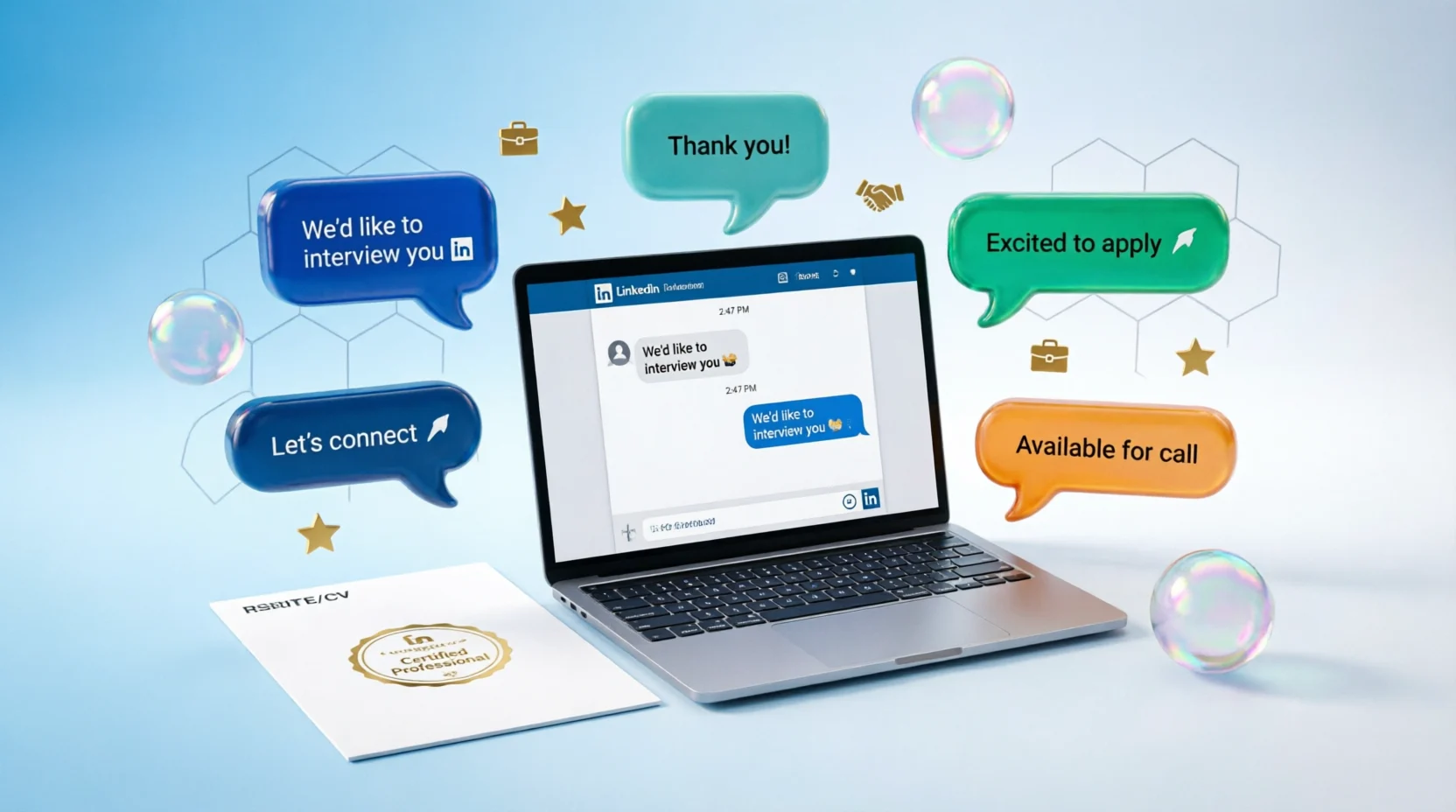
The best responses to a LinkedIn recruiter should sound professional, warm, and natural while matching your actual interest in the opportunity. Try: Thanks for reaching out, I’d love to learn more, I appreciate you thinking of me, Could you share more details?, I’m open to hearing about it.
When a recruiter slides into your LinkedIn DMs, it can feel like a tiny career plot twist. Maybe you are actively job hunting, casually exploring opportunities, or perfectly happy where you are but curious about what is out there. Either way, your response matters.
LinkedIn recruiter messages are different from texts to friends or replies to a crush. Your answer can shape how a recruiter remembers you, whether they follow up, and even whether you hear about future roles. At the same time, you do not want every response to sound like it was copied from a corporate handbook.
That is where the best responses to LinkedIn recruiter messages come in. From polished and professional to friendly, confident, clever, and casually interested, the right reply depends on what you actually want. Here are ready-to-send responses for almost every recruiter situation, without making your inbox sound painfully formal.
Funny Responses
- Looks like LinkedIn brought some good news today.
Use this when a recruiter message genuinely brightens your day.
Meaning: You are showing enthusiasm with a light touch of humor. - Well, this was a nice surprise in my inbox.
Use this when you did not expect to hear from a recruiter.
Meaning: You are pleasantly surprised by the opportunity. - I wasn’t expecting a career plot twist today.
Use this when the message arrives unexpectedly.
Meaning: You are interested while keeping your response playful. - My LinkedIn inbox finally decided to be useful.
Use this when you want a humorous but positive reply.
Meaning: You appreciate the recruiter reaching out. - Okay LinkedIn, I see what you’re doing here.
Use this when you want to respond with playful confidence.
Meaning: You are amused and open to hearing more. - This definitely beats another connection request.
Use this when the recruiter has sent a genuine opportunity.
Meaning: You value the message more than a typical LinkedIn interaction. - Well, that got my attention.
Use this when the position sounds particularly interesting.
Meaning: You are signaling genuine curiosity. - My inbox just got a little more interesting.
Use this when the recruiter catches you at a good time.
Meaning: You are positively reacting to the opportunity. - I’ll admit, this sounds more exciting than my usual notifications.
Use this when the role stands out.
Meaning: You are interested without sounding overly eager. - A recruiter message I actually want to open. Nice.
Use this when the message feels especially relevant.
Meaning: You are complimenting the recruiter’s approach. - You may have just interrupted my LinkedIn scrolling for a good reason.
Use this when the message catches your attention.
Meaning: You are curious enough to continue the conversation. - Well played, LinkedIn. I’m listening.
Use this when you want a short, witty response.
Meaning: You are open to learning more.
Brutal Responses
- I’m not looking, but I appreciate the message.
Use this when you want to decline without wasting anyone’s time.
Meaning: You are being direct while remaining respectful. - The role isn’t a fit for me, but thank you for considering me.
Use this when the position does not match your goals.
Meaning: You are clearly declining without being dismissive. - I’ll pass on this one, but thanks for reaching out.
Use this when you know immediately that you are not interested.
Meaning: You are giving a firm but courteous no. - I don’t think this opportunity aligns with my career direction.
Use this when the role conflicts with your plans.
Meaning: You are declining based on professional priorities. - I’m going to be honest, this role isn’t what I’m looking for.
Use this when you prefer straightforward communication.
Meaning: You are respectfully setting expectations. - Thanks, but I’m focusing on opportunities in a different direction.
Use this when your career interests have changed.
Meaning: You are declining while explaining your broader direction. - I appreciate the offer, but I’ll have to decline.
Use this when you want a clean and decisive response.
Meaning: You are closing the opportunity politely. - This isn’t the right move for me at the moment.
Use this when timing or career plans make the role unsuitable.
Meaning: You are saying no without criticizing the company. - I don’t want to take your time if I’m not genuinely interested.
Use this when you want to be especially direct.
Meaning: You are respecting both your time and the recruiter’s. - I’ll sit this one out, but I appreciate you reaching out.
Use this when you want a friendly but definite decline.
Meaning: You are saying no without burning the professional bridge. - I’m not considering a move right now.
Use this when you are satisfied with your current situation.
Meaning: You are clearly unavailable for a job change. - Not the right fit for me, but I appreciate being considered.
Use this when you want to end the conversation professionally.
Meaning: You are declining while keeping the interaction positive.
Flirty Responses
- You had me at “interesting opportunity.”
Use this when you want playful enthusiasm without crossing professional boundaries.
Meaning: You are genuinely intrigued by the role. - Okay, you’ve officially got my attention.
Use this when the recruiter presents a compelling position.
Meaning: You want to hear more details. - That opportunity sounds worth a closer look.
Use this when you want a polished version of playful interest.
Meaning: You are curious without overcommitting. - You picked a good time to reach out.
Use this when you are currently open to opportunities.
Meaning: The timing of the recruiter’s message works well for you. - Now that’s a message worth replying to.
Use this when the opportunity stands out.
Meaning: You are positively responding to the recruiter’s outreach. - You definitely made this opportunity sound interesting.
Use this when the recruiter’s message was persuasive.
Meaning: Their message successfully sparked your curiosity. - I’m intrigued. Tell me more.
Use this when you want a short and confident response.
Meaning: You want additional information before deciding. - You’ve got my professional curiosity activated.
Use this when you want something playful but still workplace appropriate.
Meaning: You are interested in exploring the role. - That certainly caught my attention.
Use this when you want subtle enthusiasm.
Meaning: You are open to continuing the conversation. - I’m listening. This sounds promising.
Use this when the position appears relevant.
Meaning: You are interested and want more details. - You might have found the right person at the right time.
Use this when you are actively exploring new roles.
Meaning: Your current situation makes the opportunity especially relevant. - Interesting timing. I’d love to hear more.
Use this when you want a friendly, confident response.
Meaning: You are open to discussing the position further.
Polite Responses
- Thank you for reaching out and considering my profile.
Use this when you want a courteous opening.
Meaning: You appreciate the recruiter’s effort. - I appreciate you getting in touch with me.
Use this when you want a warm professional reply.
Meaning: You are acknowledging their message respectfully. - Thank you for sharing this opportunity with me.
Use this when a recruiter sends role details.
Meaning: You value being considered. - I appreciate the information and would be happy to learn more.
Use this when you are interested in exploring the role.
Meaning: You are politely inviting further discussion. - Thank you for thinking of me for this position.
Use this when the role appears relevant to your background.
Meaning: You appreciate being considered. - Thanks for reaching out. I’d be glad to hear more about the role.
Use this when you want additional information.
Meaning: You are showing polite interest. - I appreciate the opportunity to connect.
Use this when building a professional relationship matters.
Meaning: You value the new professional connection. - Thank you for the thoughtful message.
Use this when the recruiter clearly personalized their outreach.
Meaning: You recognize their effort. - Thanks for contacting me. The opportunity sounds interesting.
Use this when the position catches your attention.
Meaning: You are politely expressing interest. - I appreciate you reaching out and would be open to discussing it.
Use this when you want to continue the conversation.
Meaning: You are interested without making a commitment. - Thank you for reaching out. I’m happy to learn more.
Use this when you want a simple and friendly reply.
Meaning: You are open to hearing the details. - Thanks for considering my experience for this opportunity.
Use this when the recruiter references your skills or background.
Meaning: You appreciate their professional consideration.
Professional Responses
- Thank you for reaching out. I’d be interested in learning more about the position.
Use this when the role appears relevant to your experience.
Meaning: You are professionally expressing interest. - I appreciate the opportunity. Could you share the full job description?
Use this when you need more information before responding further.
Meaning: You want to evaluate the role carefully. - Thank you for contacting me. I’d be happy to discuss the position.
Use this when you are ready for a recruiter conversation.
Meaning: You are open to discussing the opportunity. - The role sounds aligned with my background. I’d be interested in hearing more.
Use this when your experience matches the position.
Meaning: You see potential professional alignment. - I’m currently open to exploring relevant opportunities. Please feel free to share more details.
Use this when you are selectively job searching.
Meaning: You are open but want useful information first. - Thank you for considering my profile. I’d be glad to discuss the role and expectations.
Use this when you want a polished response.
Meaning: You are interested in understanding the position fully. - I’d be interested in learning about the responsibilities, team, and compensation range.
Use this when you want key details upfront.
Meaning: You are evaluating the opportunity seriously. - I appreciate the message. Could you provide more information about the position?
Use this when the recruiter’s message is brief.
Meaning: You need additional context before deciding. - This opportunity appears relevant to my experience. I’d be happy to discuss it further.
Use this when your background fits the role.
Meaning: You are professionally interested. - Thank you for reaching out. I’m open to a conversation about the opportunity.
Use this when you want to keep things flexible.
Meaning: You are willing to explore without committing. - I’d be happy to review the role details before scheduling a conversation.
Use this when you prefer information first.
Meaning: You want to make an informed decision. - Thanks for contacting me. Please send over the role details and next steps.
Use this when you are ready to move forward.
Meaning: You want the recruiter to continue the process.
Creative Responses
- You’ve officially added a new possibility to my career map.
Use this when you want an imaginative but professional reply.
Meaning: You see the opportunity as worth exploring. - Interesting role, interesting timing. I’m curious to learn more.
Use this when the message arrives unexpectedly.
Meaning: You are intrigued by the opportunity. - My career radar says I should probably hear you out.
Use this when you want a playful professional response.
Meaning: You are open to learning more. - This opportunity just earned a spot on my “tell me more” list.
Use this when the position catches your attention.
Meaning: You want additional information. - You may have just opened an unexpected career door.
Use this when you were not actively searching.
Meaning: You are willing to consider something new. - That role definitely deserves a second look.
Use this when the opportunity initially seems promising.
Meaning: You are interested enough to investigate. - I wasn’t planning a career plot twist, but here we are.
Use this when you want a humorous creative response.
Meaning: You are surprised but curious. - Consider my curiosity officially piqued.
Use this when the recruiter’s message sounds compelling.
Meaning: You want to know more. - You’ve given my LinkedIn notifications a rare moment of excitement.
Use this when you want a witty response.
Meaning: The opportunity stands out positively. - This sounds like a professional rabbit hole worth exploring.
Use this when you want a playful response.
Meaning: You are curious about where the opportunity could lead. - I’m intrigued enough to open the career door and peek inside.
Use this when you are cautiously interested.
Meaning: You want information before committing. - Looks like my career inbox has entered its interesting era.
Use this when you want something modern and playful.
Meaning: You are enjoying the unexpected opportunity.
Sarcastic Responses
- Well, LinkedIn finally brought me something interesting.
Use this when recruiter messages are usually repetitive.
Meaning: You are jokingly saying this message stands out. - A recruiter message that actually matches my experience? Impressive.
Use this when the role is unusually relevant.
Meaning: You appreciate the personalized outreach. - You read my profile. I’m impressed already.
Use this when the recruiter clearly understands your background.
Meaning: You are humorously praising their research. - Finally, an inbox surprise I don’t want to ignore.
Use this when the opportunity sounds promising.
Meaning: You are interested in continuing. - My LinkedIn inbox has entered its productive era.
Use this when you want a trendy humorous response.
Meaning: You are pleased with the opportunity. - I see someone actually checked my skills section.
Use this when the recruiter mentions specific experience.
Meaning: You appreciate their attention to detail. - Well, this is considerably better than another “let’s connect” message.
Use this when you receive a genuine job opportunity.
Meaning: You prefer substantive professional outreach. - You caught me before I started ignoring LinkedIn again.
Use this when timing makes the message amusing.
Meaning: You are joking while showing interest. - Okay, this message survived the LinkedIn inbox test.
Use this when you want playful sarcasm.
Meaning: The opportunity was compelling enough to answer. - I’ll give LinkedIn this one. Good timing.
Use this when you are open to hearing about opportunities.
Meaning: You acknowledge the message positively. - A personalized message? Now we’re talking.
Use this when the recruiter clearly tailored the outreach.
Meaning: You value genuine communication. - You actually made it past my “generic recruiter message” filter.
Use this when the message feels personalized.
Meaning: You are humorously complimenting their approach.
Cute Responses
- Aw, thanks for thinking of me for this opportunity.
Use this when you want a warm response.
Meaning: You genuinely appreciate being considered. - This was a nice message to find in my inbox.
Use this when the recruiter’s outreach feels thoughtful.
Meaning: Their message made a positive impression. - Thanks for reaching out. This sounds really interesting.
Use this when you are pleasantly surprised by the role.
Meaning: You are showing friendly interest. - You definitely made my LinkedIn notifications more exciting.
Use this when the message stands out.
Meaning: You are playfully expressing appreciation. - Thanks for thinking of me. I’d love to hear more.
Use this when you want to continue the conversation.
Meaning: You are warmly inviting more information. - That’s such a thoughtful opportunity to share with me.
Use this when the recruiter personalized the message.
Meaning: You appreciate their consideration. - Well, this was a lovely little career surprise.
Use this when you did not expect the message.
Meaning: You are pleasantly intrigued. - Thanks for reaching out. You’ve definitely got my attention.
Use this when you are interested.
Meaning: You want to know more about the role. - I appreciate the message more than you know.
Use this when the timing feels particularly helpful.
Meaning: You genuinely value their outreach. - This opportunity sounds pretty exciting. Tell me more.
Use this when the role immediately catches your eye.
Meaning: You are openly curious. - Thanks for finding your way into my inbox.
Use this when you want something playful and warm.
Meaning: You are happy they contacted you. - A little career surprise never hurts. Thanks for reaching out!
Use this when you want a cheerful reply.
Meaning: You are responding positively and casually.
Dramatic Responses
- Well, I certainly wasn’t expecting this career plot twist.
Use this when the recruiter message arrives unexpectedly.
Meaning: You are surprised and intrigued. - And suddenly, my career plans have a new subplot.
Use this when the opportunity is genuinely interesting.
Meaning: You are considering whether the role could change your plans. - This message has entered the storyline at an interesting moment.
Use this when the timing feels significant.
Meaning: You are open to hearing more. - Perhaps the LinkedIn universe is trying to tell me something.
Use this when you want a dramatic humorous reply.
Meaning: You are playfully acknowledging the opportunity. - I did not have this career twist on my schedule today.
Use this when the outreach catches you off guard.
Meaning: You are surprised but curious. - Well, this escalated from ordinary inbox activity quickly.
Use this when the message feels exciting.
Meaning: You are amused by the unexpected opportunity. - My professional storyline just got unexpectedly interesting.
Use this when the role stands out.
Meaning: You are interested in exploring the possibility. - I feel like my LinkedIn inbox just dropped a plot twist.
Use this when you want a modern, dramatic response.
Meaning: You are surprised by the opportunity. - This could be the unexpected chapter I didn’t know I needed.
Use this when the role sounds especially promising.
Meaning: You are considering a meaningful career change. - Well, that message certainly changed the mood of my afternoon.
Use this when the recruiter reaches out at a good moment.
Meaning: You are pleasantly surprised. - Suddenly, “checking LinkedIn” feels worth it.
Use this when the recruiter’s message is exciting.
Meaning: You are positively reacting to the opportunity. - I wasn’t prepared for a career twist, but I’m listening.
Use this when you want playful dramatic energy.
Meaning: You are open to hearing more.
Chill And Casual Responses
- Hey, thanks for reaching out. I’d love to hear more.
Use this when you want a relaxed but professional reply.
Meaning: You are casually showing interest. - Thanks for the message! What can you tell me about the role?
Use this when the recruiter provides limited information.
Meaning: You want more details. - Sounds interesting. Send me the details when you can.
Use this when you want to keep things simple.
Meaning: You are open to reviewing the opportunity. - Sure, I’m happy to learn more.
Use this when you are interested but not overly excited.
Meaning: You are casually open to the conversation. - Thanks for reaching out. I’m curious about this one.
Use this when the role catches your attention.
Meaning: You want to understand the opportunity better. - Hey, this could be worth exploring.
Use this when you see potential in the position.
Meaning: You are interested without committing. - I’m open to hearing more about it.
Use this when you want to keep your options open.
Meaning: You are willing to consider the role. - Thanks! Feel free to send over the job details.
Use this when you want information before chatting.
Meaning: You are inviting the recruiter to provide more context. - Interesting. I’d be happy to take a look.
Use this when you want a relaxed response.
Meaning: You are willing to review the position. - Appreciate you reaching out. Let’s see what you’ve got.
Use this when you want friendly confidence.
Meaning: You are curious about the opportunity. - Sure thing. I’d like to know more about the position.
Use this when you are casually interested.
Meaning: You are inviting further details. - Thanks for dropping me a message. I’m listening.
Use this when you want a friendly, low-pressure reply.
Meaning: You are open to hearing the recruiter out.
Confident Responses
- The role sounds aligned with where I want to take my career.
Use this when the position matches your goals.
Meaning: You are confidently expressing professional alignment. - I’d be interested in discussing how my experience fits the role.
Use this when you want to highlight your qualifications.
Meaning: You believe you could be a strong candidate. - I’m open to opportunities that offer meaningful growth.
Use this when career development matters to you.
Meaning: You have clear professional priorities. - This looks like an opportunity worth discussing.
Use this when the role appears promising.
Meaning: You are interested without sounding desperate. - I’d be happy to explore whether there’s a strong mutual fit.
Use this when you want a balanced professional tone.
Meaning: You understand that both sides should evaluate the opportunity. - I’m selective about opportunities, and this one caught my attention.
Use this when you want to show genuine interest.
Meaning: You are interested because the role stands out. - My experience seems well suited to what you’re looking for.
Use this when the job description matches your skills.
Meaning: You confidently recognize your potential fit. - I’m interested. Let’s discuss the role and expectations.
Use this when you are ready to continue.
Meaning: You want a substantive conversation. - I’d be glad to explore what I could bring to the position.
Use this when you want to emphasize your value.
Meaning: You are confident in your ability to contribute. - The opportunity looks promising based on what you’ve shared.
Use this when the initial information is appealing.
Meaning: You are positively evaluating the role. - I’m open to discussing opportunities where my skills can make an impact.
Use this when you want a purpose-driven response.
Meaning: You care about meaningful professional contribution. - I’m interested in hearing why you think I’d be a strong fit.
Use this when you want the recruiter to explain their reasoning.
Meaning: You are confidently asking for more context.
Emotional Responses
- Thank you for reaching out at such an encouraging time in my career.
Use this when the opportunity arrives during an important career moment.
Meaning: The recruiter’s message feels personally meaningful. - I really appreciate you seeing potential in my background.
Use this when the recruiter compliments your experience.
Meaning: You value their recognition. - It means a lot to be considered for an opportunity like this.
Use this when the role feels significant.
Meaning: You genuinely appreciate being selected. - Thanks for recognizing the experience I’ve worked hard to build.
Use this when the recruiter acknowledges your skills.
Meaning: You are expressing sincere appreciation. - Your message genuinely made my day a little brighter.
Use this when the opportunity arrives at a meaningful moment.
Meaning: The outreach had a positive emotional impact. - I’m grateful you took the time to reach out personally.
Use this when the recruiter sends a thoughtful message.
Meaning: You appreciate their effort. - It’s encouraging to hear that my experience stood out to you.
Use this when the recruiter noticed your background.
Meaning: Their interest gives you confidence. - Thank you for seeing something valuable in my professional journey.
Use this when you want a heartfelt response.
Meaning: You appreciate being recognized. - I truly appreciate being considered for this opportunity.
Use this when the position feels meaningful.
Meaning: You are sincerely thankful. - Your message came as a really positive surprise.
Use this when you were not expecting recruiter outreach.
Meaning: You feel pleasantly surprised. - It’s always encouraging to know your work is being noticed.
Use this when the recruiter praises your experience.
Meaning: You value professional recognition. - Thank you for reaching out and recognizing what I bring to the table.
Use this when you want to acknowledge your professional value.
Meaning: You appreciate their confidence in your abilities.
Sweet Responses
- Thanks so much for thinking of me for this opportunity.
Use this when you want a warm and appreciative reply.
Meaning: You are grateful to be considered. - I really appreciate you reaching out.
Use this when you want a simple heartfelt response.
Meaning: You value the recruiter’s effort. - That was a lovely message to receive. Thank you.
Use this when the recruiter’s approach feels personal.
Meaning: Their outreach made a good impression. - Thanks for seeing something in my profile that caught your eye.
Use this when the recruiter mentions your background.
Meaning: You appreciate their interest. - I’m glad you reached out. I’d love to learn more.
Use this when you are genuinely interested.
Meaning: You warmly invite more information. - Thank you for considering my experience for the role.
Use this when your background matches the position.
Meaning: You appreciate their professional consideration. - I appreciate the thoughtful introduction and opportunity.
Use this when the recruiter writes a personalized message.
Meaning: You recognize their effort. - It’s always nice to receive a message about an opportunity that feels relevant.
Use this when the role matches your interests.
Meaning: You are positively acknowledging the relevance. - Thanks for reaching out. I’m definitely curious to hear more.
Use this when the opportunity sounds promising.
Meaning: You are warmly expressing interest. - I appreciate the invitation to explore something new.
Use this when you are open to career possibilities.
Meaning: You welcome the chance to consider another path. - Thanks for making this opportunity feel worth exploring.
Use this when the recruiter gives useful context.
Meaning: Their message has sparked genuine interest. - I’m grateful you thought of me. I’d be happy to learn more.
Use this when you want a warm professional response.
Meaning: You appreciate the opportunity and welcome details.
Clever Responses
- I’m always interested in opportunities that make sense for my next step.
Use this when you want to sound thoughtful and strategic.
Meaning: You evaluate roles based on long-term career goals. - The real question is whether the role matches the résumé as well as you think it does.
Use this when you want confident intellectual humor.
Meaning: You are interested in discussing your fit. - You’ve given me a good reason to revisit my career options.
Use this when the opportunity catches you off guard.
Meaning: You are seriously considering the possibility. - I’m curious what made you think my background fits this role.
Use this when you want insight into the recruiter’s reasoning.
Meaning: You want to understand why they contacted you. - A thoughtful opportunity deserves a thoughtful look.
Use this when the recruiter provides useful information.
Meaning: You are willing to evaluate the role carefully. - Let’s see whether the opportunity is as strong as the introduction.
Use this when the recruiter’s message is compelling.
Meaning: You are interested but still evaluating. - You’ve made a convincing case for at least one conversation.
Use this when you are willing to speak with the recruiter.
Meaning: You are interested enough to continue. - I’m intrigued by the role and even more curious about the team behind it.
Use this when company culture matters to you.
Meaning: You want to understand the broader opportunity. - I’d like to see how this opportunity fits into my bigger career picture.
Use this when you think strategically about job changes.
Meaning: You are evaluating long-term value. - The role sounds interesting enough to earn a place on my shortlist.
Use this when you are comparing several opportunities.
Meaning: You see the position as a serious possibility. - Good opportunities usually start with good conversations, so let’s talk.
Use this when you want to move forward.
Meaning: You are confidently inviting a discussion. - You’ve sparked my curiosity. Now I’d like to hear the details.
Use this when you want more information.
Meaning: You are interested but want evidence before deciding.
Curious Responses
- Thanks for reaching out. What can you tell me about the role?
Use this when the recruiter gives limited information.
Meaning: You want more details before deciding. - I’m curious to learn more about the position and team.
Use this when both the role and workplace interest you.
Meaning: You want broader context. - Could you share the job description and key responsibilities?
Use this when you want concrete information.
Meaning: You need the role details before proceeding. - What caught your attention about my profile?
Use this when you want to understand the recruiter’s interest.
Meaning: You are curious about your potential fit. - I’d love to hear more about what you’re looking for.
Use this when you want the recruiter to explain the ideal candidate.
Meaning: You want to compare your skills with their needs. - This sounds interesting. What does the next step look like?
Use this when you are ready to explore the process.
Meaning: You want to understand what happens next. - I’m open to learning more. Could you tell me about the team?
Use this when workplace culture matters to you.
Meaning: You want information beyond the job title. - What are the biggest priorities for this position?
Use this when you want useful role-specific information.
Meaning: You want to understand what success looks like. - I’d be interested in hearing more about the opportunity.
Use this when you want a safe, flexible response.
Meaning: You are open to further discussion. - Could you tell me more about the company and role?
Use this when you need basic context.
Meaning: You want enough information to evaluate the opportunity. - I’m intrigued. What makes this role different from similar positions?
Use this when you want to understand the opportunity’s unique value.
Meaning: You are looking for meaningful distinctions. - I’m curious about the role. Feel free to send over the details.
Use this when you prefer reviewing information first.
Meaning: You are open to exploring the position.
Respectful Declines
- Thank you for reaching out, but I’m not considering a move right now.
Use this when you are happy with your current career situation.
Meaning: You are politely closing the opportunity. - I appreciate you thinking of me, but I’ll have to pass for now.
Use this when the timing is not right.
Meaning: You are declining without criticizing the role. - Thanks for the opportunity. I’m going to stay with my current career direction.
Use this when your plans are already established.
Meaning: You are choosing to remain focused on your current path. - I appreciate the message, but this position isn’t quite what I’m looking for.
Use this when the role does not match your goals.
Meaning: You are giving a clear but respectful no. - Thank you for considering me. I’ll respectfully decline at this time.
Use this when you want a formal decline.
Meaning: You are ending the opportunity courteously. - I’m grateful for the outreach, but I’m not exploring new roles currently.
Use this when you are unavailable for a move.
Meaning: You are setting a clear boundary. - Thanks for reaching out. I don’t think this is the right fit for me.
Use this when the position is not suitable.
Meaning: You are declining based on fit. - I appreciate the opportunity, but I’ll sit this one out.
Use this when you want a short and friendly decline.
Meaning: You are politely saying no. - Thank you for the consideration. I’m focusing on different opportunities at the moment.
Use this when you have other career priorities.
Meaning: You are redirecting your job search. - I appreciate you contacting me, but I’m not ready to make a move.
Use this when you are not prepared for a career change.
Meaning: You are declining because of timing. - Thanks for reaching out. I’ll pass for now, but I appreciate the consideration.
Use this when you want to remain courteous.
Meaning: You are closing the current opportunity respectfully. - I’m not pursuing this type of role right now, but thank you for thinking of me.
Use this when the position category is not suitable.
Meaning: You are declining based on your current professional focus.
Negotiation-Friendly Responses
- The role sounds interesting. Could you share the compensation range?
Use this when salary is an important factor.
Meaning: You want to know whether the opportunity meets your expectations. - I’d be happy to learn more, including the salary range and benefits.
Use this when you want the full package before proceeding.
Meaning: You are evaluating the complete offer. - Could you share more about the responsibilities and compensation structure?
Use this when you need role and pay information.
Meaning: You want practical details before investing time. - I’m open to discussing the role if the overall package aligns with my expectations.
Use this when compensation matters to your decision.
Meaning: You are interested but have clear standards. - Before scheduling, could you provide the expected compensation range?
Use this when you prefer transparency upfront.
Meaning: You want to avoid an unsuitable process. - I’d be interested in learning more about the role, level, and compensation.
Use this when evaluating seniority and pay together.
Meaning: You want a complete picture of the opportunity. - The position sounds promising. What range has been budgeted for it?
Use this when you want a direct salary question.
Meaning: You are assessing financial alignment. - Could you share the role’s salary range and location expectations?
Use this when compensation and work setup both matter.
Meaning: You want key practical details before proceeding. - I’m open to a conversation if the role aligns with my experience and expectations.
Use this when you want to remain flexible.
Meaning: You are interested while protecting your priorities. - I’d like to understand the full opportunity before deciding whether to move forward.
Use this when you need more information.
Meaning: You are taking a thoughtful approach. - Would you mind sharing the compensation range before we schedule a call?
Use this when you want salary clarity first.
Meaning: You prefer transparency before committing time. - I’m interested in exploring the role. Let’s make sure we’re aligned on expectations first.
Use this when you want a two-way evaluation.
Meaning: You want both sides to understand what they expect.
Follow-Up Responses
- Thanks again for reaching out. I’m still interested in learning more.
Use this when a recruiter has not replied after your first message.
Meaning: You are politely keeping the conversation active. - Just following up on our conversation about the opportunity.
Use this when you want a concise professional follow-up.
Meaning: You are reminding the recruiter about your previous exchange. - I wanted to check whether the position is still open.
Use this when some time has passed.
Meaning: You want to know whether the opportunity remains available. - I’m still interested and would be happy to discuss next steps.
Use this when you remain enthusiastic.
Meaning: You are ready to continue the process. - Checking in to see if there are any updates on the role.
Use this when you are waiting for recruiter feedback.
Meaning: You are politely asking for a status update. - I enjoyed learning about the opportunity and would be glad to continue the conversation.
Use this after a positive initial exchange.
Meaning: You want to keep moving forward. - I wanted to follow up and see whether you need anything else from me.
Use this when you have already shared your information.
Meaning: You are being proactive and helpful. - I’m still open to the opportunity if the position is moving forward.
Use this when you have not heard recent updates.
Meaning: You remain available and interested. - Hope you’re doing well. I wanted to check in regarding the position.
Use this when you want a warm follow-up.
Meaning: You are politely reopening the conversation. - Any updates on the role since we last connected?
Use this when you want a short message.
Meaning: You are asking for a simple status update. - I’m still interested in exploring the opportunity. Please let me know the next steps.
Use this when you want to move the process forward.
Meaning: You are signaling continued interest. - Thanks again for your time. I’d be happy to reconnect when there’s an update.
Use this when the recruiter says they will follow up later.
Meaning: You are keeping the professional relationship positive.
FAQs
What does a LinkedIn recruiter message mean?
It usually means a recruiter thinks your profile may match an open or potential role.
Can a LinkedIn recruiter message be flirty?
Keep recruiter replies professional. Friendly enthusiasm works better than romantic or suggestive language.
What is a good professional recruiter response?
Try: “Thanks for reaching out. I’d be interested in learning more about the role.”
What if I am interested but do not want to commit?
Say you are open to learning more. This shows interest without promising that you will apply.
What if I am not interested in the job?
Thank the recruiter and politely explain that you are not considering a move right now.
Should I use humor with a LinkedIn recruiter?
Light humor can work when the recruiter’s tone is casual, but avoid jokes that could seem dismissive.
What should I ask a LinkedIn recruiter?
Ask about responsibilities, team, location, compensation range, work setup, and next steps.
What if I never replied to the recruiter?
A simple follow-up works. Thank them for reaching out and say you would still like to learn more.
Should I respond if I am happy with my current job?
Yes, if you want to maintain the connection. A polite decline can keep future opportunities open.
How quickly should I reply to a recruiter?
Reply when convenient, ideally while the opportunity is still fresh and relevant.
Can I ask about salary immediately?
Yes. Asking for the compensation range early can help both sides avoid an unsuitable process.
What if the recruiter message feels generic?
Ask for the job description and explain that you would like to understand how the role matches your experience.
Conclusion
A good recruiter reply does more than answer a message. It can show confidence, professionalism, personality, and genuine interest in the right opportunity. Whether you are excited about a new role, casually curious, negotiating details, or politely saying no, your wording helps shape the impression you leave behind.
You do not need to sound overly formal or turn every LinkedIn message into a corporate speech. Pick a response that actually sounds like you, adjust it to the recruiter’s tone, and keep the conversation moving naturally. Save this list for the next unexpected career message, share it with a job-hunting friend, and keep a few favorites ready for your next LinkedIn inbox surprise