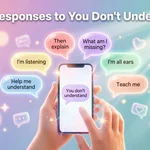
When people doubt you, the best response is one that shows confidence without making you sound defensive. Choose a reply that matches the situation, whether you want to stay calm, funny, polite, or firmly prove your point.
Top alternatives: Watch me, I’ll let my results speak, Doubt me if you want, I know what I’m capable of, Just wait and see
When someone doubts you, it can be annoying, especially when you know exactly what you are capable of. Maybe it happens in a text, a DM, at work, between friends, or when a crush questions your confidence. Sometimes you want to laugh it off. Other times, you want a response that quietly says, “You really underestimated me.”
The best responses to when people doubt you depend on your mood and the relationship you have with that person. A funny comeback can keep things light, while a confident reply can make your position clear without creating unnecessary drama. At work, a professional answer may be the smarter move. With friends, something playful might land better.
The goal is not always to prove someone wrong immediately. Sometimes the strongest response is simply staying focused and letting your actions do the talking.
Funny Responses
1. Keep doubting, it’s giving me motivation.
Use this when you want to turn their doubt into playful fuel.
Meaning: Their doubt motivates you rather than discouraging you.
2. Thanks for the free confidence boost.
Use this when someone thinks their doubt will bring you down.
Meaning: You are joking that their negativity only makes you more confident.
3. I’ll send you the results when they’re ready.
Use this when someone questions whether you can actually succeed.
Meaning: You are confidently waiting for your actions to prove your point.
4. Plot twist: I actually can.
Use this when someone assumes you cannot handle something.
Meaning: You are playfully suggesting they have underestimated you.
5. Your doubt has been officially noted.
Use this when you want a dry and funny response.
Meaning: You heard them, but their opinion will not change your plans.
6. Imagine doubting me and being wrong.
Use this when you want a playful confidence boost.
Meaning: You are teasing them about possibly underestimating you.
7. I love the concern, but I’ve got this.
Use this when their doubt comes across as unnecessary worry.
Meaning: You appreciate the attention while remaining confident.
8. Don’t worry, I’ll surprise you.
Use this when someone expects you to fail.
Meaning: You are promising that your outcome may exceed their expectations.
9. Screenshot this doubt for later.
Use this when you want a playful way to remember their prediction.
Meaning: You expect your future success to prove them wrong.
10. That’s adorable. Anyway, I’m doing it.
Use this with close friends when you want playful confidence.
Meaning: Their doubt does not affect your decision.
11. Doubt received. Confidence unchanged.
Use this as a short, meme-friendly reply.
Meaning: Their opinion has no effect on your self-belief.
12. Stay tuned for the unexpected ending.
Use this when you want to build playful suspense.
Meaning: You believe the final outcome will surprise them.
Brutal Responses
1. You don’t have to believe in me. I do.
Use this when someone repeatedly questions your abilities.
Meaning: Your confidence does not depend on their approval.
2. Your opinion isn’t my limitation.
Use this when someone treats their judgment as a fact.
Meaning: Their expectations do not define what you can achieve.
3. I’m not here to convince you.
Use this when you are tired of explaining yourself.
Meaning: You would rather act than argue for validation.
4. Keep watching.
Use this when you want a short and firm comeback.
Meaning: You expect your actions to answer their doubts.
5. You underestimated the wrong person.
Use this when someone seriously misjudges your abilities.
Meaning: Their assumption about you is going to prove inaccurate.
6. I’ll prove it without arguing about it.
Use this when you want to shut down a debate.
Meaning: Your actions will provide the evidence.
7. Doubt me quietly. I’m busy succeeding.
Use this when someone is being unnecessarily negative.
Meaning: You refuse to let their negativity distract you.
8. You can question me after I’m finished.
Use this when someone challenges your ability before you begin.
Meaning: You want to focus on completing the task first.
9. I don’t need your permission to believe in myself.
Use this when someone tries to weaken your confidence.
Meaning: Your self-belief belongs to you, not them.
10. Underestimating me is your choice.
Use this when you want a calm but firm response.
Meaning: Their judgment is their responsibility, not yours.
11. I’ll let the outcome answer that.
Use this when words are going nowhere.
Meaning: You prefer measurable results over arguments.
12. You’ll understand when the results arrive.
Use this when someone refuses to take you seriously.
Meaning: You trust future results to make your point clear.
Flirty Responses
1. Doubt me now, admire me later.
Use this when a crush playfully questions what you can do.
Meaning: You are mixing confidence with a little flirtatious charm.
2. You’re cute when you underestimate me.
Use this with someone you already share playful chemistry with.
Meaning: You are teasing them while showing confidence.
3. Maybe I’ll have to prove it to you.
Use this when you want a playful, confident response.
Meaning: You are turning their doubt into a fun challenge.
4. Keep doubting me, I like the attention.
Use this when the conversation already feels light and teasing.
Meaning: You are joking that their attention is welcome.
5. Just wait, I might impress you.
Use this when someone doubts your ability in a playful way.
Meaning: You are confidently hinting that you can surprise them.
6. I guess you’ll have to stick around and see.
Use this when you want to keep the conversation going.
Meaning: You are inviting them to stay interested.
7. You really want to underestimate me, huh?
Use this when teasing someone who keeps challenging you.
Meaning: You are playfully calling attention to their doubt.
8. I’ll change your mind eventually.
Use this when you want a confident but lighthearted reply.
Meaning: You believe your actions will impress them.
9. Doubt looks good on you, but confidence looks better on me.
Use this when you want a stylish, flirty comeback.
Meaning: You are playfully highlighting your confidence.
10. Careful, I might surprise you.
Use this when someone underestimates you in a teasing conversation.
Meaning: You are hinting that they should not judge you too quickly.
11. Maybe you just need to see me in action.
Use this when you want to turn doubt into playful curiosity.
Meaning: You are confident that seeing your abilities will change their view.
12. I’ll let you be impressed when you’re ready.
Use this when you want confident humor with a flirtatious edge.
Meaning: You expect them to eventually recognize your abilities.
Polite Responses
1. I understand why you might feel that way.
Use this when you want to acknowledge their perspective calmly.
Meaning: You respect their opinion without agreeing with it.
2. That’s okay, I still believe in myself.
Use this when someone openly doubts your ability.
Meaning: You remain confident without attacking them.
3. I appreciate your honesty.
Use this when you want to keep the conversation respectful.
Meaning: You acknowledge their opinion without letting it affect you.
4. We may simply see things differently.
Use this when you want to disagree without creating tension.
Meaning: You recognize that different people can have different expectations.
5. I’ll keep working toward my goal.
Use this when you want to focus on your plans.
Meaning: Their doubt will not stop your progress.
6. I respect your perspective, but I trust myself.
Use this when you want a balanced response.
Meaning: You can respect someone while maintaining your own confidence.
7. I guess we’ll see how it turns out.
Use this when you want to avoid unnecessary debate.
Meaning: You are letting the future provide the answer.
8. Thanks for sharing your thoughts.
Use this when someone gives you an opinion you did not ask for.
Meaning: You acknowledge them without accepting their judgment.
9. I’ll keep that in mind.
Use this when you want to end the discussion politely.
Meaning: You heard them but are not promising to change your plans.
10. I’m comfortable taking the chance.
Use this when someone questions your decision.
Meaning: You accept the uncertainty and still trust your choice.
11. I appreciate the concern, but I’m confident about this.
Use this when their doubt comes from worry.
Meaning: You recognize their concern while reassuring them.
12. Let’s see where it takes me.
Use this when you want an optimistic response.
Meaning: You are willing to move forward without needing their approval.
Professional Responses
1. I’m confident in my ability to handle it.
Use this when a colleague questions whether you can manage a task.
Meaning: You are professionally communicating confidence.
2. I’ll let the results speak for themselves.
Use this when your work is being questioned.
Meaning: You prefer measurable performance over debate.
3. I understand the concern, and I’ll address it through my work.
Use this when responding to professional criticism.
Meaning: You acknowledge the concern while focusing on action.
4. I’m prepared to take on the challenge.
Use this when someone doubts your readiness.
Meaning: You are showing confidence and willingness to perform.
5. I appreciate the feedback. I’ll keep improving.
Use this when doubt comes with constructive criticism.
Meaning: You turn criticism into an opportunity to grow.
6. I’m comfortable proving my capability through results.
Use this when someone wants evidence of your skills.
Meaning: You are confident enough to let your work demonstrate your ability.
7. I have a clear plan for moving forward.
Use this when someone questions your direction.
Meaning: You want them to know your decision is considered.
8. I understand your perspective, but I’m confident in my approach.
Use this during a professional disagreement.
Meaning: You remain respectful while standing behind your decision.
9. I’ll take the feedback and keep moving forward.
Use this when you want to stay productive.
Meaning: You refuse to become distracted by doubt.
10. I’m willing to demonstrate what I can do.
Use this when your ability is being questioned directly.
Meaning: You are ready to back your confidence with action.
11. I’m focused on delivering the best result possible.
Use this when you want to redirect attention toward performance.
Meaning: Your priority is doing quality work.
12. I’m confident the work will speak clearly.
Use this when you want a composed professional answer.
Meaning: You trust your performance to communicate your ability.
Creative Responses
1. Doubt is just background noise. I’ve got a goal to chase.
Use this when you want an expressive motivational reply.
Meaning: You refuse to let negativity distract you.
2. Let the results write the next chapter.
Use this when someone doubts your plans.
Meaning: You believe your future actions will tell the real story.
3. My confidence has entered the chat.
Use this when you want a playful internet-style response.
Meaning: You are announcing that doubt is not taking over.
4. I’m turning your question mark into an exclamation point.
Use this when someone questions your potential.
Meaning: You intend to replace uncertainty with achievement.
5. Watch the story unfold.
Use this when you want a mysterious but confident reply.
Meaning: You believe the outcome will speak for itself.
6. Doubt can sit in the audience while I take the stage.
Use this when you want a dramatic motivational line.
Meaning: You are choosing action instead of worrying about opinions.
7. Consider this the beginning, not the conclusion.
Use this when someone judges you too early.
Meaning: They have not seen what you are capable of yet.
8. I’m busy building the proof.
Use this when you want a short, modern response.
Meaning: You are focused on creating results instead of defending yourself.
9. Your doubt just became part of my origin story.
Use this when you want a memorable comeback.
Meaning: You are turning negativity into motivation.
10. I’ll make the ending worth the wait.
Use this when someone doubts your eventual success.
Meaning: You expect your final result to be impressive.
11. Let them question while you create.
Use this when you want an inspirational response.
Meaning: You believe action is more valuable than outside opinions.
12. The proof is still loading.
Use this when you want a modern, tech-inspired comeback.
Meaning: You are saying the evidence of your ability is coming soon.
Sarcastic Responses
1. Oh no, you don’t believe in me. How will I survive?
Use this when someone’s doubt is clearly exaggerated.
Meaning: You are joking that their opinion has very little impact on you.
2. I’ll try to recover from this devastating doubt.
Use this when you want dry humor.
Meaning: You are pretending their criticism has dramatically affected you.
3. Thanks for the expert prediction.
Use this when someone confidently predicts your failure.
Meaning: You are lightly mocking their certainty.
4. Your crystal ball must be working overtime.
Use this when someone acts certain about your future.
Meaning: You are joking about their unsupported prediction.
5. I’ll file that under “not stopping me.”
Use this when someone tries to discourage you.
Meaning: You have decided their opinion will not change your plans.
6. Fascinating theory. I’ll continue anyway.
Use this when you want a calm sarcastic comeback.
Meaning: You acknowledge their opinion but reject its influence.
7. I’ll be sure to consult you before believing in myself.
Use this when someone acts like they control your confidence.
Meaning: You are sarcastically rejecting their authority over your choices.
8. Thanks for the confidence boost, somehow.
Use this when their doubt actually makes you more determined.
Meaning: Their negativity has accidentally motivated you.
9. I’ll add that prediction to my collection.
Use this when people have doubted you before.
Meaning: You expect another prediction to become another example of being underestimated.
10. Noted. Ignored. Moving on.
Use this when you want a short, sharp reply.
Meaning: You heard them but refuse to dwell on it.
11. What a fascinating way to be wrong.
Use this when someone is extremely confident about your failure.
Meaning: You believe their judgment will eventually prove inaccurate.
12. I’ll let reality handle this one.
Use this when you want to avoid an argument.
Meaning: You trust actual results more than their assumptions.
Cute Responses
1. It’s okay, I believe in me enough for both of us.
Use this when you want a sweet but confident reply.
Meaning: You are reassuring yourself while gently teasing them.
2. Just wait, I might surprise you.
Use this when someone doubts you playfully.
Meaning: You are confident that you can exceed their expectations.
3. A little doubt never stopped me.
Use this when you want something simple and positive.
Meaning: You can handle uncertainty without losing confidence.
4. You’ll see, I’ve got this.
Use this when you want a warm reassurance.
Meaning: You are calmly confident in your ability.
5. I’m rooting for myself either way.
Use this when someone does not share your confidence.
Meaning: You are choosing self-support regardless of outside opinions.
6. Give me a little time to prove you wrong.
Use this when you want playful determination.
Meaning: You expect your actions to change their opinion.
7. I promise I’m more capable than I look.
Use this when someone underestimates you in a lighthearted way.
Meaning: You are playfully defending your abilities.
8. Keep that doubt cute and let me work.
Use this with someone close when teasing is welcome.
Meaning: You are asking them to relax while you handle things.
9. I’ve got a tiny bit of magic left.
Use this when you want a whimsical response.
Meaning: You believe you can still surprise everyone.
10. You’ll be proud of me eventually.
Use this when someone doubts your potential.
Meaning: You hope your future success will change their perspective.
11. I’m taking that doubt as extra encouragement.
Use this when you want to stay positive.
Meaning: You turn uncertainty into motivation.
12. Just watch me grow.
Use this when you want a soft, confident response.
Meaning: You are focused on personal progress.
Dramatic Responses
1. Then witness the comeback.
Use this when you want a theatrical response.
Meaning: You are framing your next achievement as a dramatic comeback.
2. The doubt only makes the story better.
Use this when you enjoy dramatic storytelling.
Meaning: Challenges make your eventual success feel more meaningful.
3. Let history remember this moment.
Use this when joking around with friends.
Meaning: You are humorously treating the moment as significant.
4. This is where the plot changes.
Use this when someone thinks they already know your outcome.
Meaning: You are suggesting an unexpected result is coming.
5. You have no idea what’s coming next.
Use this when you want to create suspense.
Meaning: You believe your next move will surprise them.
6. Doubt me now. Remember me later.
Use this when you want a dramatic confidence statement.
Meaning: You expect your future accomplishments to stand out.
7. And so the proving begins.
Use this when you want a playful theatrical tone.
Meaning: You are announcing that action will follow the doubt.
8. The underestimated chapter starts now.
Use this when you want an inspirational dramatic reply.
Meaning: You see their doubt as the beginning of your next achievement.
9. Watch closely. The story is not finished.
Use this when someone judges your potential too early.
Meaning: You believe there is much more ahead.
10. One day, this doubt will be a funny memory.
Use this when you want an optimistic dramatic response.
Meaning: You expect success to make the current doubt irrelevant.
11. The next scene belongs to me.
Use this when you want a bold, cinematic-style comeback.
Meaning: You are taking control of what happens next.
12. Let the results deliver the grand finale.
Use this when you want a memorable closing line.
Meaning: You want your final outcome to provide the strongest response.
Chill And Casual Responses
1. We’ll see.
Use this when you want to keep things extremely simple.
Meaning: You are confident enough to avoid explaining yourself.
2. Fair enough, watch this.
Use this when someone doubts you casually.
Meaning: You accept their doubt and plan to demonstrate your ability.
3. I’ve got it, honestly.
Use this when someone questions whether you can manage.
Meaning: You are calmly reassuring them.
4. No worries, I know what I’m doing.
Use this when someone is concerned about your decision.
Meaning: You trust your own judgment.
5. Let’s just see how it goes.
Use this when you do not want to debate.
Meaning: You prefer letting events unfold naturally.
6. I’m good either way.
Use this when you want to show emotional independence.
Meaning: Their opinion does not determine your confidence.
7. Guess we’ll find out.
Use this when you want a relaxed response.
Meaning: You are comfortable letting the outcome speak.
8. I’m not too worried about it.
Use this when someone expects you to feel discouraged.
Meaning: You are staying calm despite their doubt.
9. I’ll take my chances.
Use this when someone questions your choice.
Meaning: You accept the risk and trust yourself.
10. I hear you, but I’m still going for it.
Use this when you want to acknowledge them without backing down.
Meaning: You respect their view but keep your decision.
11. No pressure, just progress.
Use this when you want a relaxed motivational reply.
Meaning: You are focused on moving forward rather than proving anything immediately.
12. It’ll be fine. I’ve got this.
Use this when you want to reassure someone casually.
Meaning: You remain calm and confident about the situation.
Confident Responses
1. I know what I’m capable of.
Use this when someone seriously questions your ability.
Meaning: Your confidence comes from knowing yourself.
2. I don’t need everyone to believe in me.
Use this when someone says they are not convinced.
Meaning: You do not depend on universal approval.
3. I trust myself. That’s enough.
Use this when you want a strong but calm response.
Meaning: Your self-belief is your foundation.
4. I’ve handled harder things than this.
Use this when someone thinks a challenge is beyond you.
Meaning: Your past experiences have prepared you.
5. I’m more prepared than you think.
Use this when someone doubts your readiness.
Meaning: They do not see everything you have done behind the scenes.
6. I know where I’m going.
Use this when someone questions your direction.
Meaning: You have confidence in your goals.
7. I’ll figure it out. I always do.
Use this when you do not have every answer yet.
Meaning: You trust your ability to solve problems as they appear.
8. I’m not asking for approval.
Use this when someone tries to make you reconsider your ability.
Meaning: You are making your decision independently.
9. My confidence doesn’t require permission.
Use this when someone tries to make you feel incapable.
Meaning: Your self-belief is not dependent on their validation.
10. I’m betting on myself.
Use this when you want a short motivational statement.
Meaning: You are willing to trust your own potential.
11. I’ve got more in me than you realize.
Use this when someone underestimates you.
Meaning: They have not seen the full extent of your abilities.
12. You can doubt me. I won’t doubt myself.
Use this when you want a powerful but composed response.
Meaning: Their uncertainty will not become your own.
Emotional Responses
1. I know you may not see it yet, but I believe I can.
Use this when someone close to you doubts your potential.
Meaning: You are expressing confidence without dismissing their feelings.
2. I’ve spent too much time believing in myself to stop now.
Use this when doubt feels personally discouraging.
Meaning: Your self-belief has been built over time.
3. I wish you could see what I see in myself.
Use this when you want an honest and vulnerable reply.
Meaning: You wish they understood your inner confidence.
4. Your doubt hurts, but it won’t define me.
Use this when criticism comes from someone important to you.
Meaning: Their words affect you emotionally but do not control your future.
5. I’m still learning, but I know I can grow.
Use this when someone points out your weaknesses.
Meaning: You recognize imperfection while remaining hopeful.
6. I may not have everything figured out, but I trust myself.
Use this when your path is uncertain.
Meaning: You can accept uncertainty without abandoning confidence.
7. I’m choosing to believe in myself anyway.
Use this when you feel underestimated.
Meaning: You are deliberately protecting your self-confidence.
8. Maybe you’ll understand me someday.
Use this when someone close does not understand your ambitions.
Meaning: You hope time will help them see your perspective.
9. I’m still proud of how far I’ve come.
Use this when someone focuses only on your current limitations.
Meaning: You recognize your own progress.
10. I’ve doubted myself before, and I got through it.
Use this when you want a reflective response.
Meaning: Past challenges have strengthened your confidence.
11. I’m not perfect, but I’m capable.
Use this when someone points out your flaws.
Meaning: You can acknowledge imperfections without questioning your worth.
12. I’ll keep going, even if you don’t understand.
Use this when someone refuses to support your goals.
Meaning: Your commitment does not depend on their understanding.
Sweet Responses
1. I appreciate you caring enough to say something.
Use this when their doubt comes from genuine concern.
Meaning: You recognize their intentions while staying confident.
2. I’ll prove it with patience, not arguments.
Use this when you want a mature response.
Meaning: You prefer peaceful action over confrontation.
3. I hope I can surprise you in a good way.
Use this when someone doubts you without being harsh.
Meaning: You want to change their perspective positively.
4. I’m going to keep trying. That’s what matters to me.
Use this when you want to stay humble.
Meaning: Your effort matters more than immediate approval.
5. Maybe someday you’ll see why I believed in myself.
Use this when you want a gentle confidence statement.
Meaning: You hope your future proves your instincts right.
6. I’ll take your concern, but keep my confidence.
Use this when someone is worried about your decision.
Meaning: You can appreciate their concern without losing faith in yourself.
7. I know you mean well. I’ve still got to try.
Use this when someone doubts you with good intentions.
Meaning: You understand them but want to follow your own path.
8. I’m going to give it my best.
Use this when you want a humble and positive reply.
Meaning: You are committed to putting in genuine effort.
9. I’d rather try than always wonder what could have happened.
Use this when someone discourages you from taking a chance.
Meaning: You value experience and effort over regret.
10. I’ll keep growing until I get there.
Use this when someone questions your current ability.
Meaning: You believe improvement can close the gap.
11. Your doubt doesn’t erase my hope.
Use this when you want something gentle and meaningful.
Meaning: You can stay hopeful despite outside skepticism.
12. I’m still choosing to believe good things are possible.
Use this when you want an optimistic response.
Meaning: You refuse to let doubt control your outlook.
Clever Responses
1. Confidence is built by doing, not explaining.
Use this when someone expects you to defend yourself verbally.
Meaning: You believe action is stronger evidence than words.
2. Doubt is an opinion, not a prediction.
Use this when someone speaks as if your failure is guaranteed.
Meaning: Their belief does not determine your future.
3. You’re judging the draft before seeing the final version.
Use this when someone evaluates you too early.
Meaning: They have not seen your full potential yet.
4. Expectations don’t decide outcomes. Actions do.
Use this when someone doubts what you can accomplish.
Meaning: You believe effort and execution matter more than assumptions.
5. You’re allowed to doubt me. I’m allowed to surprise you.
Use this when you want a balanced comeback.
Meaning: Both their opinion and your response can coexist.
6. Being underestimated has one advantage: fewer expectations.
Use this when you want a strategic response.
Meaning: Low expectations can give you freedom to exceed them.
7. I don’t need to win the argument to win the outcome.
Use this when someone wants to debate your ability.
Meaning: Your priority is success, not verbal victory.
8. Let’s separate assumptions from evidence.
Use this when someone makes unsupported claims about you.
Meaning: You want facts to matter more than opinions.
9. Your doubt explains your view, not my potential.
Use this when someone confuses their opinion with your ability.
Meaning: Their perspective does not define what you can achieve.
10. I’d rather collect results than approval.
Use this when you want a concise confidence statement.
Meaning: You value achievements more than validation.
11. The best answer to doubt is progress.
Use this when you want an inspirational one-liner.
Meaning: Moving forward is more effective than arguing.
12. Sometimes the person you underestimate becomes your best surprise.
Use this when someone seriously misjudges you.
Meaning: People can exceed expectations in unexpected ways.
Inspirational Responses
1. I may be underestimated today, but I’m not staying there.
Use this when you want a motivational response.
Meaning: You believe your current situation can change through growth.
2. I’m going to keep showing up.
Use this when someone doubts your consistency.
Meaning: Persistence is your answer to uncertainty.
3. Every doubt gives me another reason to keep growing.
Use this when you want to turn negativity into motivation.
Meaning: Challenges encourage you to improve.
4. I’m focused on becoming better, not being believed.
Use this when you want a mature perspective.
Meaning: Personal growth matters more than outside approval.
5. My journey doesn’t need everyone’s permission.
Use this when someone questions your goals.
Meaning: You have the right to pursue your own path.
6. I’ll keep moving until my results tell the story.
Use this when you want a determined response.
Meaning: You trust consistent effort to create evidence.
7. I’m still becoming the person I know I can be.
Use this when someone judges your current abilities.
Meaning: You recognize that growth takes time.
8. Doubt may slow me down, but it won’t decide where I finish.
Use this when facing discouragement.
Meaning: Challenges may affect your pace but not your commitment.
9. I’m giving myself permission to prove myself wrong too.
Use this when you want a growth-focused response.
Meaning: You are open to discovering that you can exceed your own expectations.
10. I don’t need a perfect start to create a strong finish.
Use this when someone judges your beginning.
Meaning: Early struggles do not determine your final result.
11. I’m choosing progress over pressure.
Use this when you want a calm motivational line.
Meaning: You prefer steady improvement over worrying about expectations.
12. One day, this doubt will remind me how far I came.
Use this when you want a hopeful response.
Meaning: You expect current challenges to become part of your growth story.
FAQs
What does it mean when people doubt you? It usually means they question your ability, decision, or chance of success.
What is a confident response to someone who doubts you? Try, “You don’t have to believe in me. I do.”
What is a flirty response when someone doubts you? Try, “Maybe I’ll have to prove it to you.”
Should you respond emotionally when someone doubts you? You can, especially when their opinion genuinely matters to you.
What is a professional response to doubt? Say, “I’ll let the results speak for themselves.”
What if you do not actually believe in yourself yet? Say, “I’m still figuring it out, but I’m willing to try.”
Is humor appropriate when someone doubts you? Yes, when the situation is light and the other person will understand the joke.
Should you always prove people wrong? No. Sometimes protecting your peace matters more than proving a point.
What is a short reply to someone who doubts you? “Just wait and see.”
What is the best overall response to doubt? Stay confident, focus on your goal, and let your actions speak.
Conclusion
When someone doubts you, you do not always need the perfect comeback. Sometimes a funny reply keeps things light, while a confident answer makes your boundaries clear. In other situations, a calm professional response or a heartfelt message works much better. The right words can change the entire energy of a conversation and show people that their assumptions do not control your confidence.
Use these responses as inspiration, save your favorites, and adjust them to sound like you. Whether you want humor, confidence, charm, or a thoughtful answer, there is always a way to respond without losing yourself. Pick your favorite, send it with confidence, and let your actions do the rest.